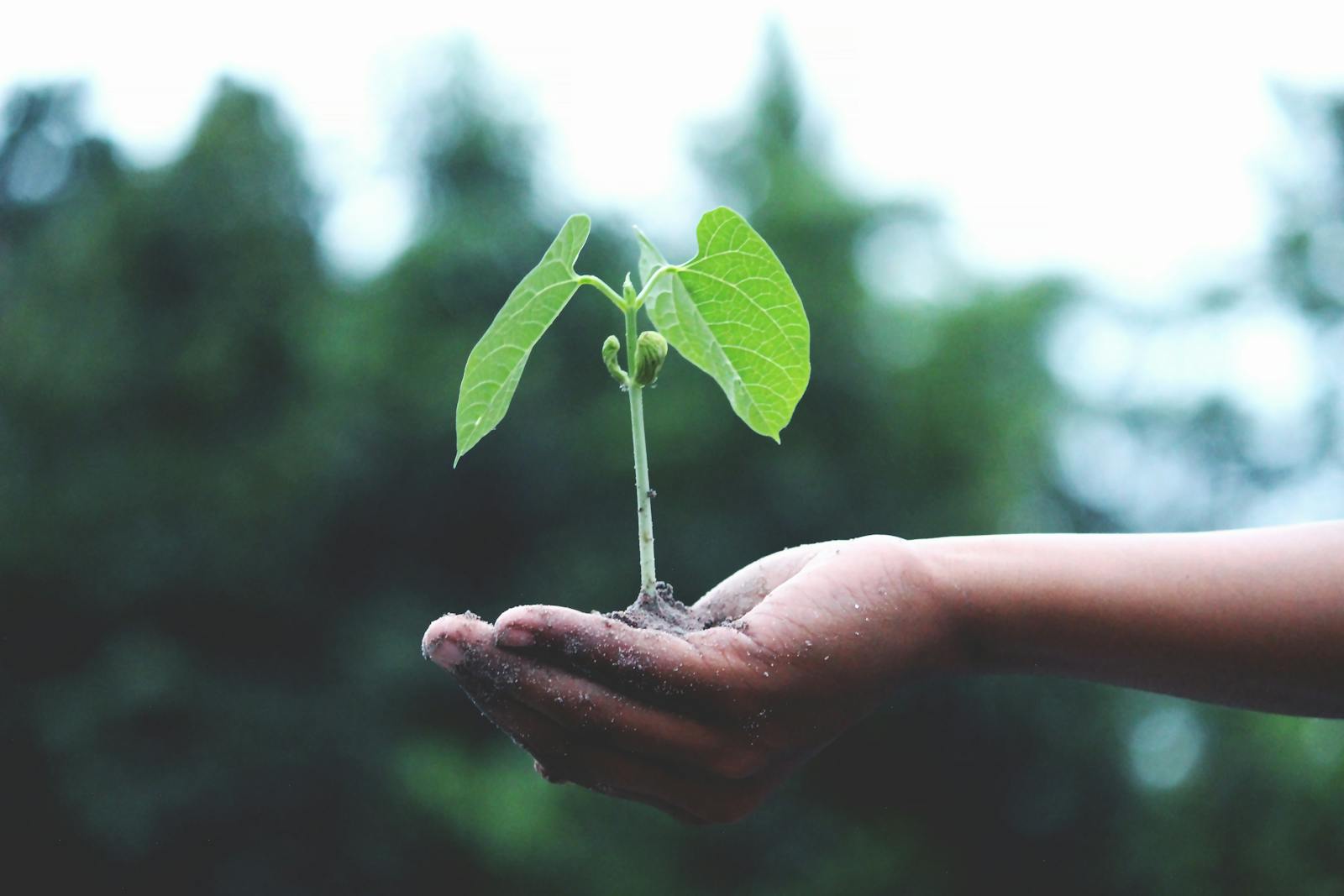
10 Best Shade Trees for Fort Bend County
A mature shade tree in Fort Bend County is worth its weight in gold — or at least in electricity savings. Here's a practical guide to the best species for our local soil and climate.
Choosing the Right Tree for Fort Bend County
Fort Bend County sits in the Gulf Coast Prairie region of Texas — flat terrain, hot summers, mild winters, and those notoriously heavy clay soils. When choosing a shade tree, you want something that:
- Tolerates or thrives in clay (drainage is often poor here)
- Handles summer heat without excessive watering once established
- Has decent wind resistance for storm season
- Fits the mature size of your yard — a tree that looks small in a container can top 80 feet
Native and locally adapted trees almost always outperform exotic species in this environment. They're built for this climate and tend to need far less intervention once they're established.
Top 10 Shade Trees for Katy and Fort Bend County
1. Live Oak (Quercus virginiana)
The quintessential Texas shade tree. Live oaks are nearly evergreen, drought tolerant once established, and can handle Fort Bend County's clay soils better than most. A mature live oak provides massive canopy coverage and is one of the most wind-resistant trees you can plant in this region — a real asset during hurricane season.
2. Bald Cypress (Taxodium distichum)
Don't let the name fool you — bald cypress thrives in Fort Bend County, especially in low-lying areas or spots that stay wet. It's one of the few conifers that handles our conditions beautifully, and its feathery summer foliage turns a gorgeous russet in fall before dropping. Tolerates both wet clay and periodic drought.
3. Texas Redbud (Cercis canadensis var. texensis)
For smaller yards or as an understory tree, the Texas Redbud is hard to beat. It explodes with pink-purple blooms in early spring before the leaves emerge, and the heart-shaped foliage is attractive all summer. The Texas variety is notably more drought and heat tolerant than its eastern cousin.
4. Cedar Elm (Ulmus crassifolia)
Cedar elm is one of the toughest native trees in Texas and handles Fort Bend County's clay soil as well as any tree on this list. It provides good shade, has decent fall color, and is well-adapted to our hot, dry summers once established. A reliable workhorse that doesn't get enough credit.
5. Chinese Pistache (Pistacia chinensis)
If you want fall color in Fort Bend County — real fall color, reds and oranges — Chinese pistache delivers when most trees around here just turn brown and drop. It's drought tolerant, has an attractive rounded canopy, and doesn't have significant pest or disease issues. Plant it in full sun and give it room to spread.
6. Monterey Oak (Quercus polymorpha)
Also called Mexican white oak, this semi-evergreen species has become increasingly popular in the Houston metro area for good reason. It grows faster than most oaks, holds its leaves through winter in milder years, and handles clay soils and heat well. A great choice if you want the look of a live oak but want to see faster results.
7. Southern Magnolia (Magnolia grandiflora)
Few trees make as dramatic a statement as a southern magnolia in full bloom. The large white flowers and glossy leaves are iconic, and magnolias handle Fort Bend County conditions well. Be aware that they drop leaves, seed pods, and spent blooms year-round — they're not a low-maintenance tree, but the payoff is hard to argue with.
8. Shumard Oak (Quercus shumardii)
One of the best large-canopy native oaks for this part of Texas. Shumard oaks are fast-growing for an oak, provide excellent wildlife habitat, and turn a deep red in fall when conditions allow. They handle our clay soils and tend to be more adaptable to urban environments than some other oak species.
9. Crape Myrtle (Lagerstroemia indica)
Yes, crape myrtles are everywhere in Fort Bend County — there's a reason for that. They're heat lovers, drought tolerant, and produce months of summer color in a range of sizes. Choose the right variety for your space (dwarf, semi-dwarf, or large-tree forms exist) and resist the urge to top them. Let them grow naturally and they'll reward you.
10. Vitex (Vitex agnus-castus)
Vitex, also called Texas lilac or chaste tree, is a large multi-trunk shrub/small tree that produces beautiful purple flower spikes all summer. It's incredibly heat and drought tolerant, attracts pollinators, and handles clay soil without complaint. Great for spots where you want summer color and fragrance but don't need a full-canopy shade tree.
Tips for Planting Trees in Fort Bend County Clay Soil
Fort Bend County's clay soil is one of the main challenges for new tree establishment. Here's how to give your new tree the best shot:
Don't Dig Too Deep, Dig Wide
The planting hole should be 2–3 times wider than the root ball but only as deep as the root ball itself — never deeper. Planting too deep is one of the leading causes of tree decline. The root flare (where the trunk widens at the base) should sit slightly above the surrounding soil grade.
Avoid Amending Clay Soil Heavily
It sounds counterintuitive, but filling the planting hole with rich, fluffy amended soil actually discourages roots from spreading out into the native clay. Use the native soil as your backfill, with minimal amendments.
Mulch Generously
A 3–4 inch ring of mulch extending out to the drip line does more for a newly planted tree than almost anything else. It retains moisture, moderates soil temperature, and improves soil structure over time as it breaks down. Keep mulch a few inches away from the trunk itself.
Water Deeply and Infrequently
Fort Bend County's clay soils hold water but drain slowly. Deep, infrequent watering encourages roots to chase moisture downward rather than staying shallow. Shallow roots are more vulnerable to drought and more likely to heave or damage hardscape.
Be Patient
Most trees follow the “sleep, creep, leap” pattern — the first year they establish roots, the second year you see modest growth, and year three they really take off. Don't judge a new tree by its first-season performance.
Need help selecting or planting the right tree for your yard? Our tree planting and trimming services cover Fort Bend County from Katy to Richmond.
Ready to Get Started?
Call for a free estimate on tree planting or care.